breakfast
 Green Power Smoothie
Servings 1
Ingredients
- 1 banana
- ½ pear
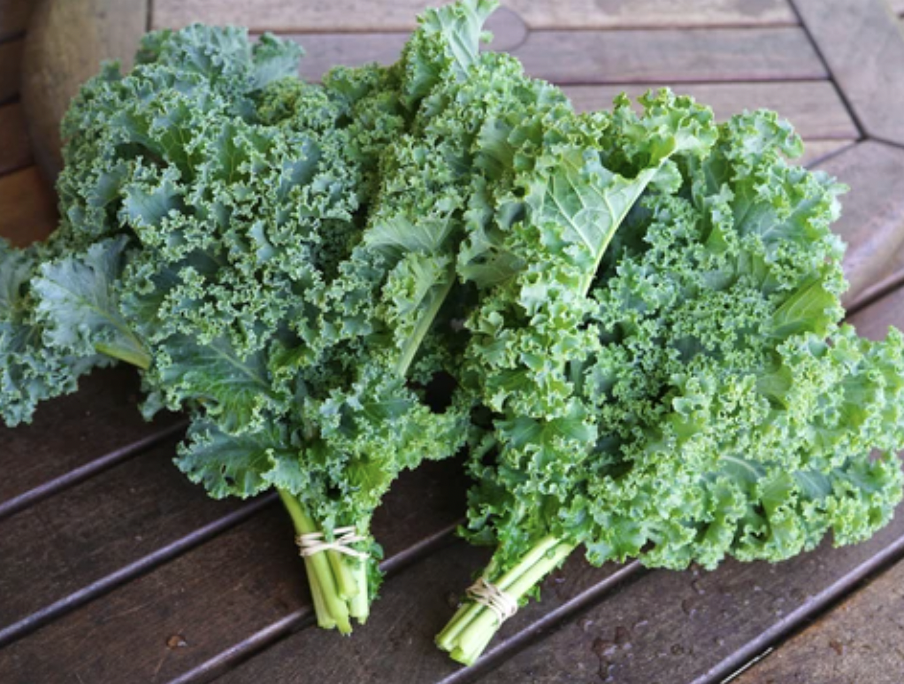
- 3 leaves curly kale stemmed
- 1 Tbsp raw almond butter
- 1 cup unsweetened almond milk
Instructions
-
Put all ingredients in a high speed blend. Blend on high until smooth.
lunch
Green Machine Smoothie
Servings 1
Ingredients
- 1 banana
- 3 leaves curly kale
- ¾ cup mango frozen
- 1 cup unsweetened almond milk
- 1 cup spinach
- 1 Tbsp hemp hearts
Instructions
-
Put all ingredients in a high speed blend. Blend on high until smooth.
dinner
Berry Beet Smoothie
Ingredients
- 1 cup almond milk unsweetened
- 1 cup blueberries frozen
- 1 raw beet peeled
- 1/4 cup mint leaves
- 2 Tbsp lime juice
- 1 Tbsp chia seeds
- 1 banana
Instructions
-
Put all ingredients in a high speed blender. Blend until on high until smooth.