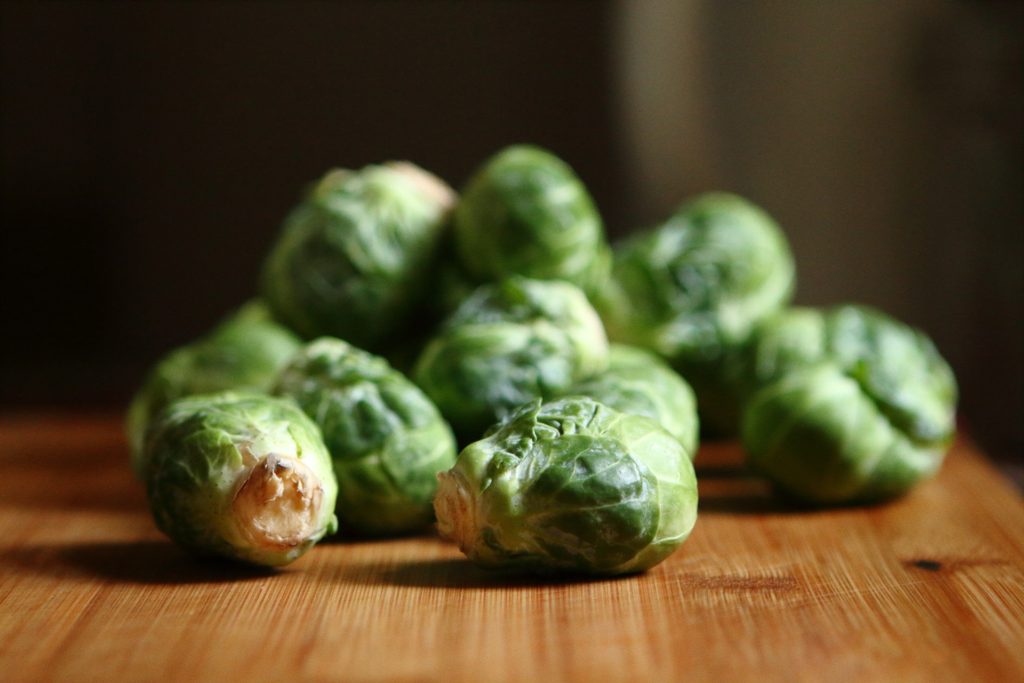
BRUSSELS SPROUTS, why eat them:

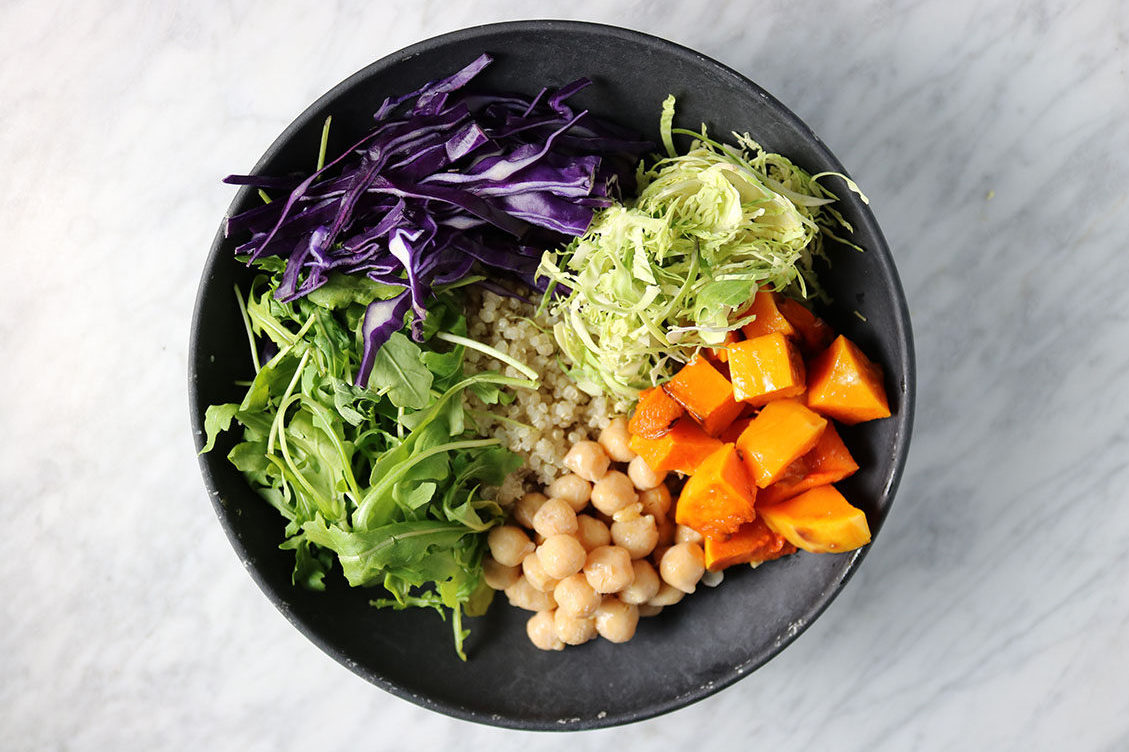
Like many other cruciferous veggies, Brussels sprouts show up a lot in my kitchen. Brussels sprouts is another vegetable I crave during colder months. Brussels sprouts help disperse cold, and not surprising, they’re at their peak in fall and winter months. This is when they’re sweet and tender, rather than mustardy when harvested in more mild climates. This cruciferous vegetable can be considered a nutritional powerhouse – fortifying you during those long chilly seasons! In particular, they are rich in folic acid, Vitamins C, K and beta-carotene. Like other cruciferous veggies, they also contain lots of glucosinolates, cancer-fighting phytochemicals. To be honest, I think this veggie is good any time of year! Glucosinolates help kill cancer cells and also reduce carcinogenic effects of many environmental toxins. What a great option for Detoxing!

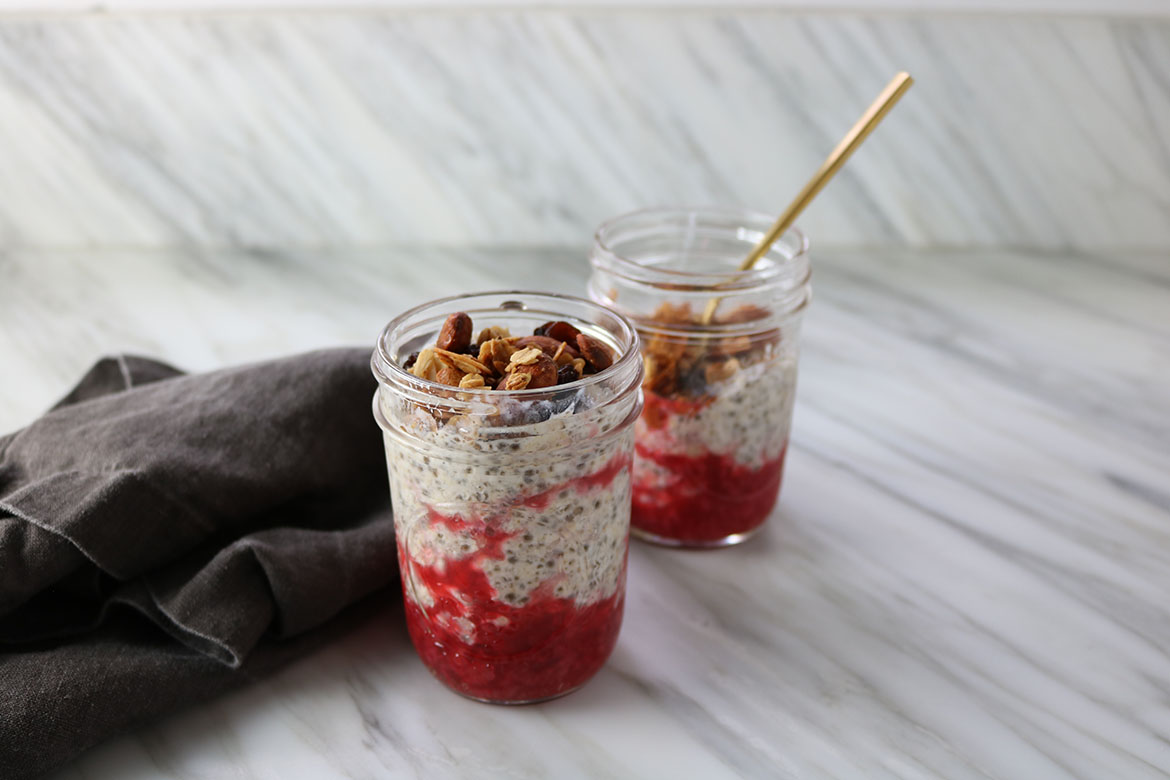
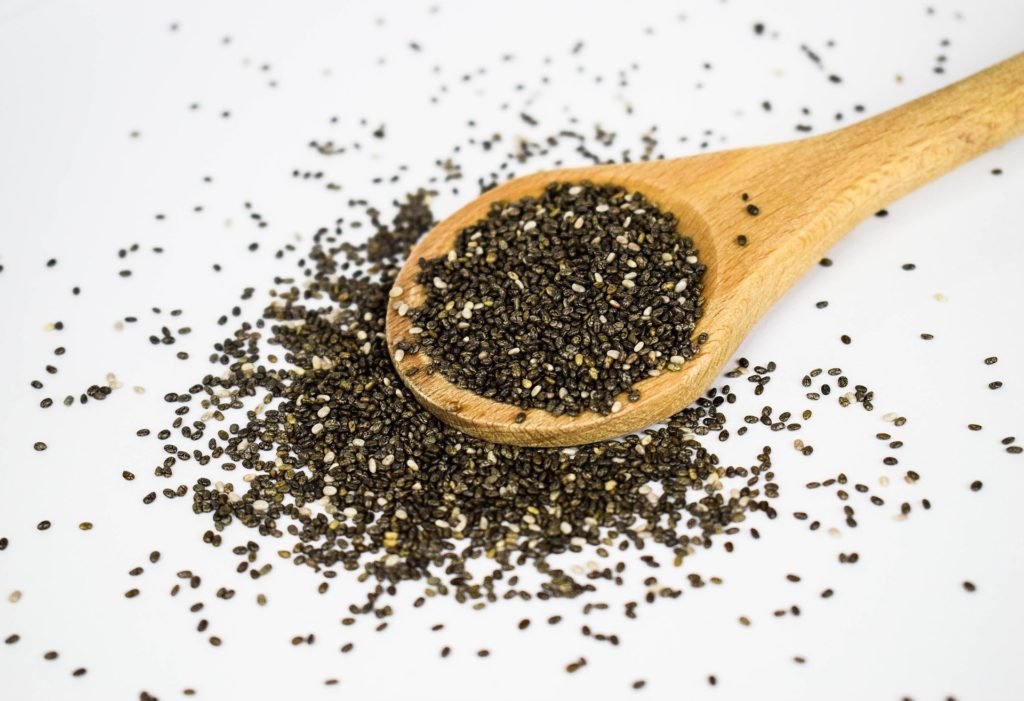
What’s with all the hype about CHIA SEEDS?

These gelatinous-like seeds are related to sage and a member of the mint family. After the flaxseed, it is considered the highest source of omega-3 fatty acids. Fatty what?! Omega-3 fatty acids are a polyunsaturated fat that is just really good for your health. Omega-3 fatty acids are considered anti- inflammatory and are associated with lower risk of death. Yes, death! It also lowers bad cholesterol (HDL) and raises good cholesterol (LDL). Sprinkle it on porridges, add it to your smoothies, use it as a binder in replacement of eggs!

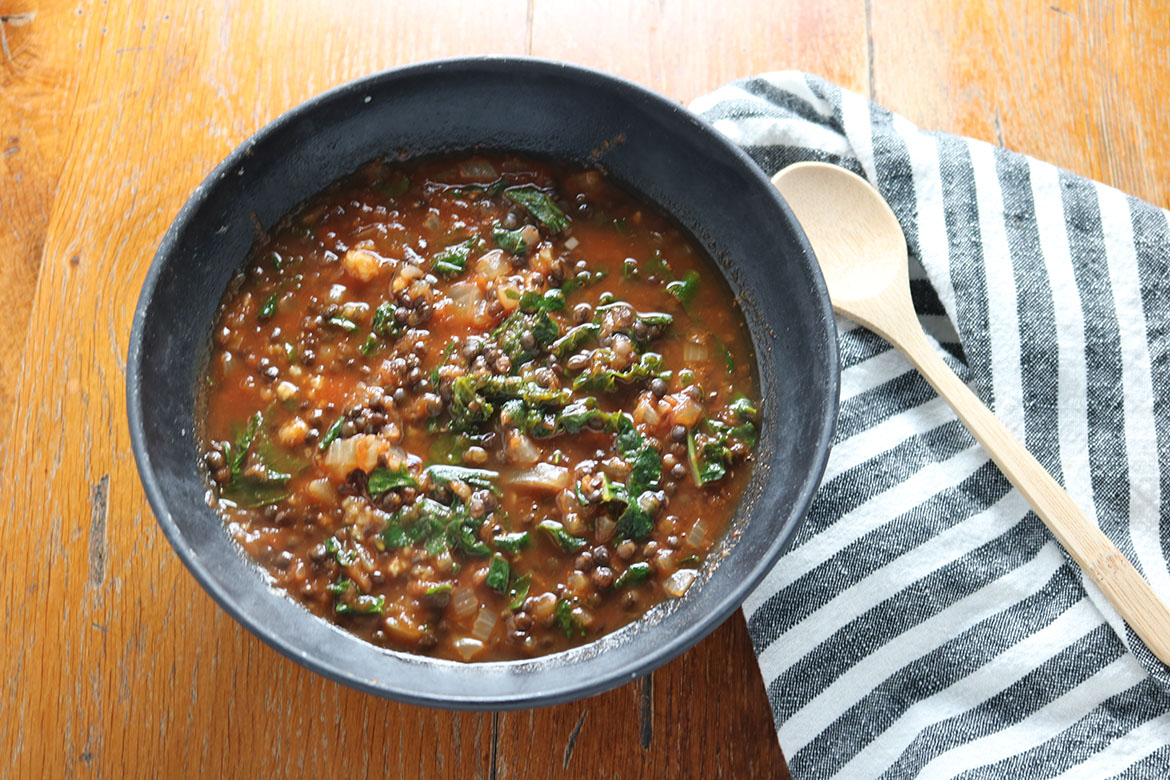
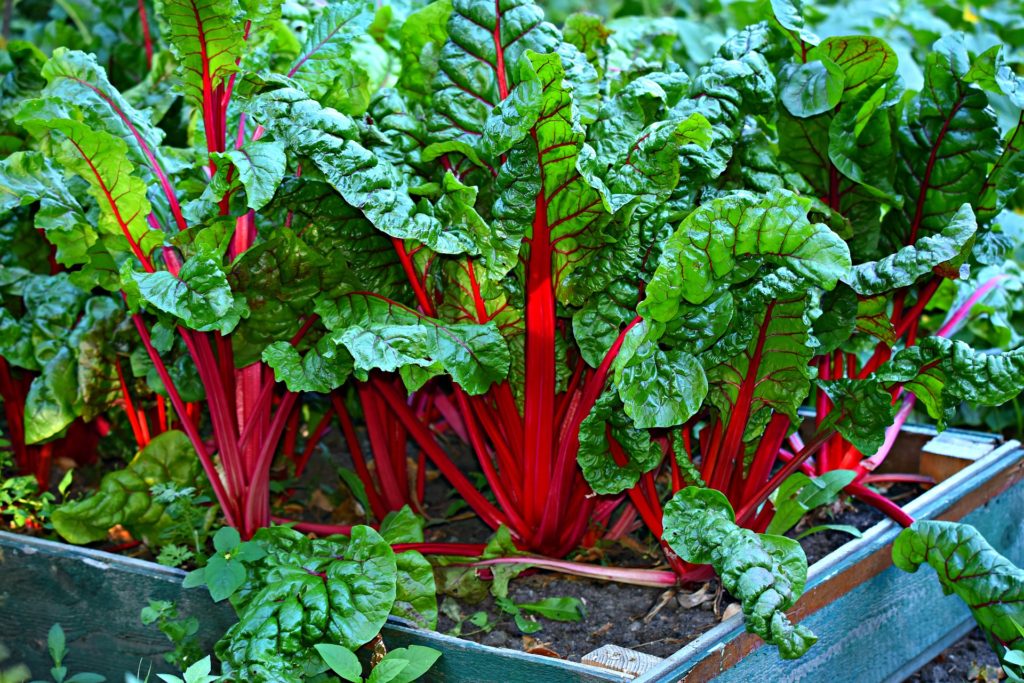
SWISS CHARD is one of my favorite green leafy vegetables and makes a regular weekly appearance in my kitchen. It has an incredible nutritional profile and its health benefits are many. With its high antioxidant content, it can be used to combat signs of aging. Yes – ditch those expensive creams and add Swiss chard to your diet! Swiss chard contains 13 different types of polyphenol antioxidants, which also help prevent cancer, heart disease, eye and skin disorders and much more. It’s also considered a great option for those with diabetes, pre-diabetes or metabolic syndrome. Certain flavonoids (such as syringic acid) contained in Swiss chard helps regulate blood sugar levels. That, along with its high fiber content (4 grams per one cup), means steady sugar/energy levels, in addition to supporting a healthy gut! While Swiss chard boasts all these awesome health benefits, I recommend limiting consumption to only a couple times a week. Similar to spinach and beet greens, it also contains oxalic acid, which inhibits the absorption of calcium. I guess you can get too much of a good thing…