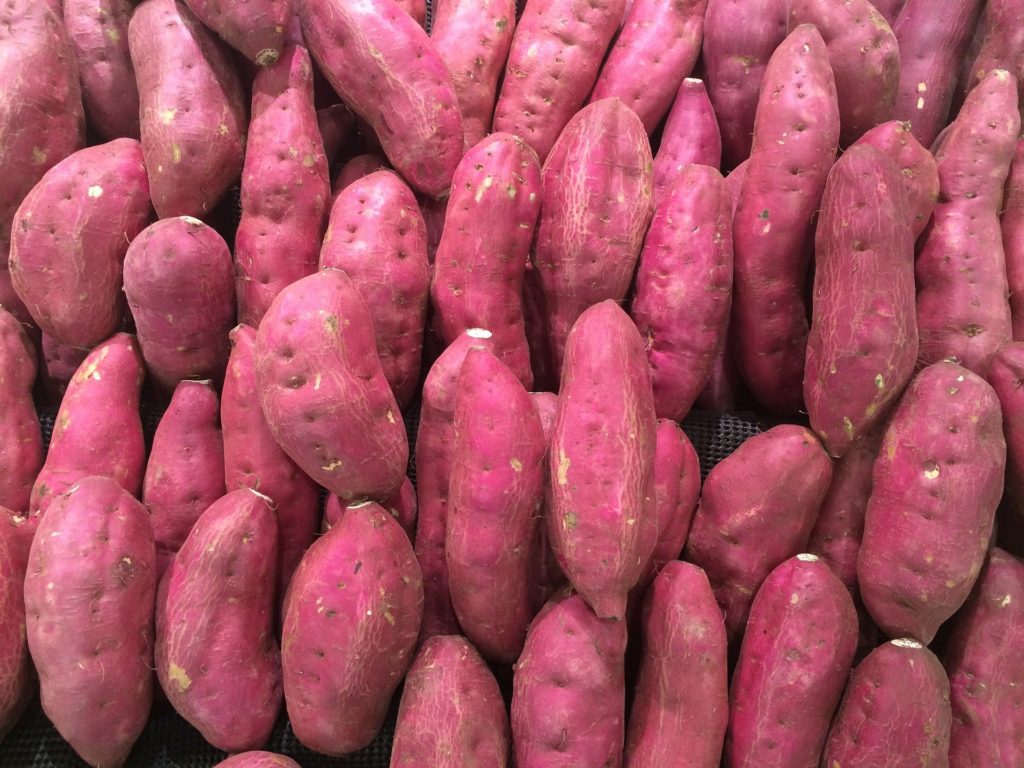
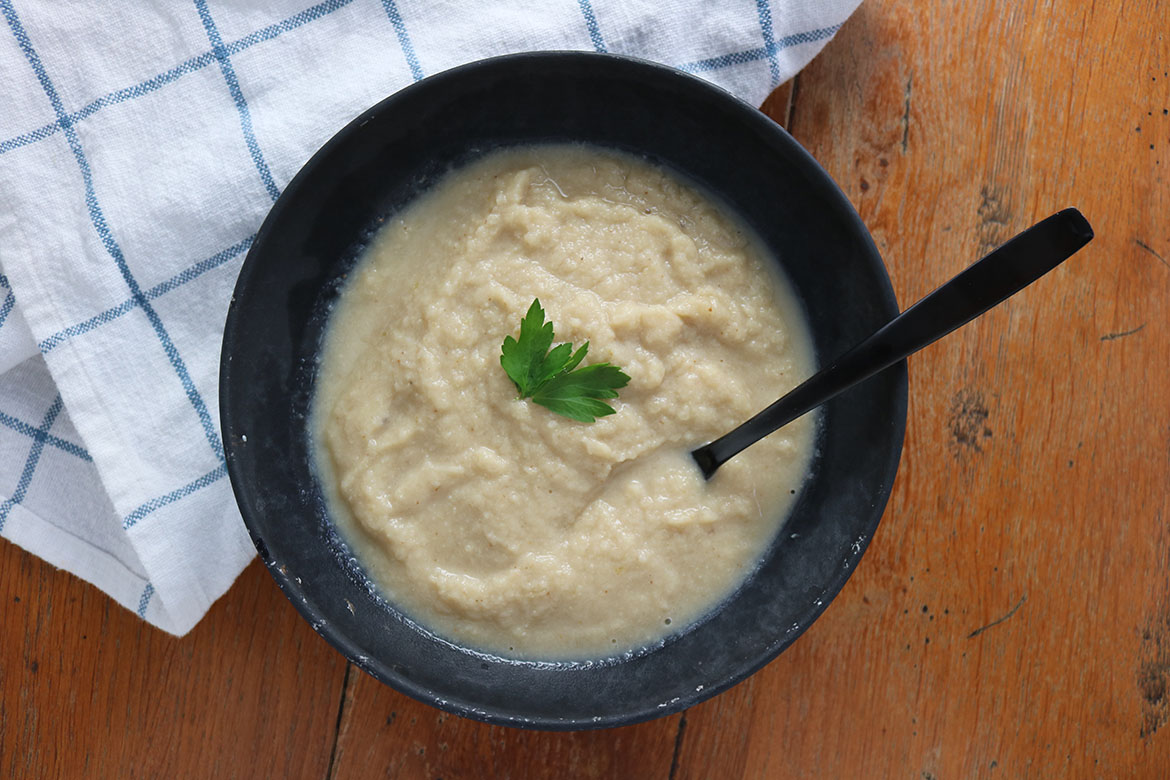
As the weather gets colder, the more I turn towards SWEET POTATOES in my cooking (and eating). They have a grounding quality, while at the same time, satisfies my cravings for something sweet. While sweet in flavor, they actually help stabilize blood sugar levels and improve insulin production efficiency. Yet another misnomer in the food world, sweet potatoes are actually not related to potatoes! There are over 300 varieties, but I tend to like the orange and purple flesh types. As indicated by their color, they are super high in antioxidants, specifically carotenoids, and considered one of the most nutrient dense vegetables. Of note, sweet potatoes are particularly high in immune boosting vitamins A and C.

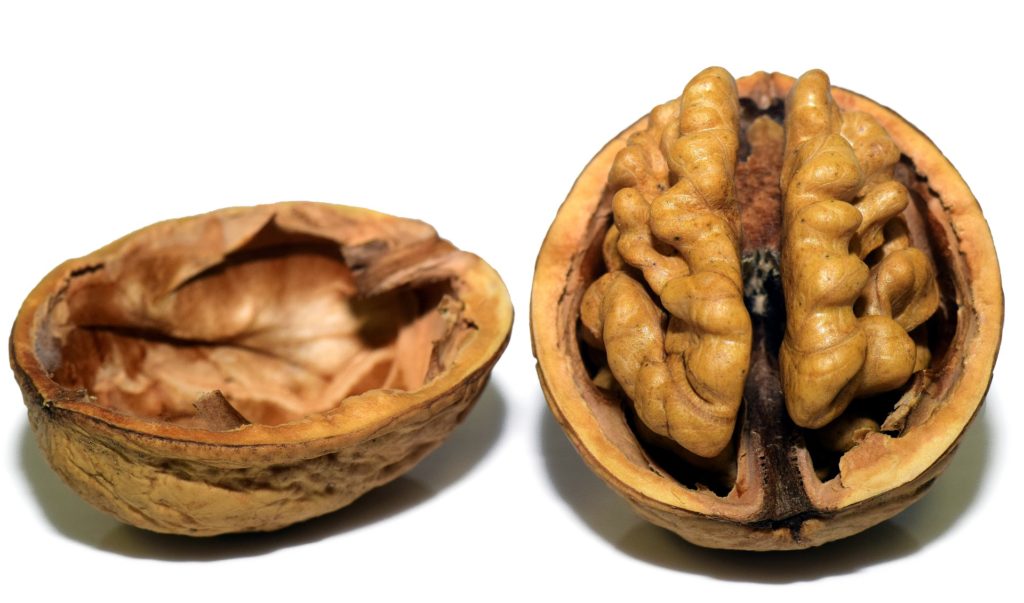
Looking for a brain boost? WALNUTS not only look like a brain, but with its impressive Omega-3 fatty acid content, they support optimal brain function. Omega-3s play a crucial role in building cell membranes throughout the body, and the brain in particular. Omega-3s help form the soft, fluid outer lining of brain cells that gives them the ability to communicate with each other. They help fight cognitive decline, memory loss, and depression. Considered an anti-inflammatory food, walnuts also contain polyphenol antioxidants and supports immune function. Too many calories, you say? Walnuts have actually been shown to help with weight loss. They are considered a very nutrient dense food and you get a lot of bang for your buck (protein, fiber, calcium, magnesium, phosphorus, manganese and potassium) with just a handful of walnuts. At the same time, they make you feel full and curb appetite and any cravings for a less nutrient dense option

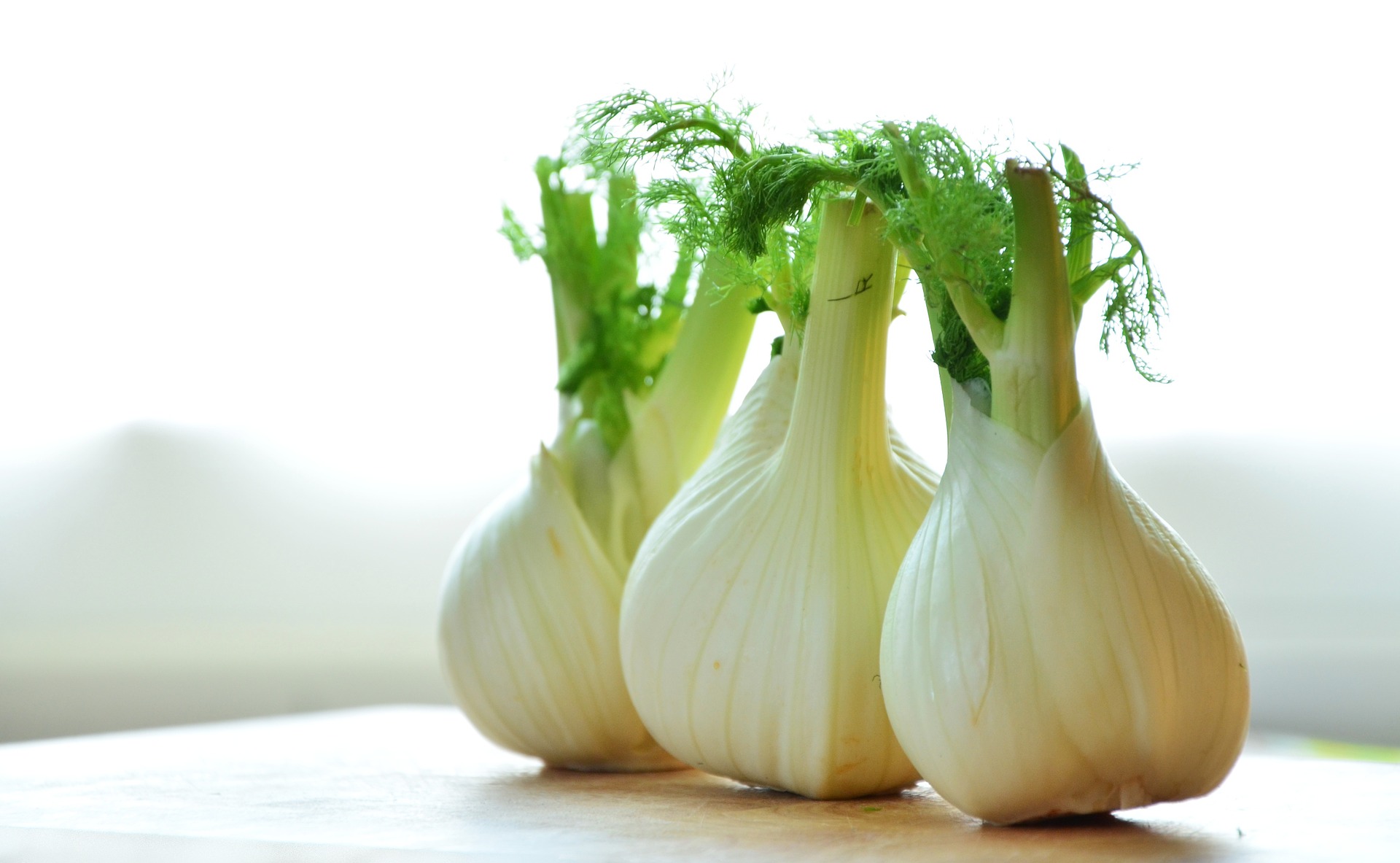
Fennel is another staple in my diet during colder months. Although I prefer it raw, fennel is versatile and tastes great raw, cooked, and even pickled! Every week, I keep a bulb in my fridge for an easy addition to salads. Its pronounced flavor profile, similar to licorice, adds an additional depth to any dish. Kept raw, it also adds a nice crunch factor. Long used for its medicinal properties, fennel also boasts a host of health and nutritional benefits. Fennel protects the body on many fronts having anti-microbial, anti-fungal, anti-tumor and anti-inflammatory properties. It also aids in digestion and its seeds (or a fennel tea) can be used to help after a meal or even alleviate bad breath. Lastly, fennel is a great source of calcium, potassium and Vitamin C. Not bad for an often overlooked vegetable!

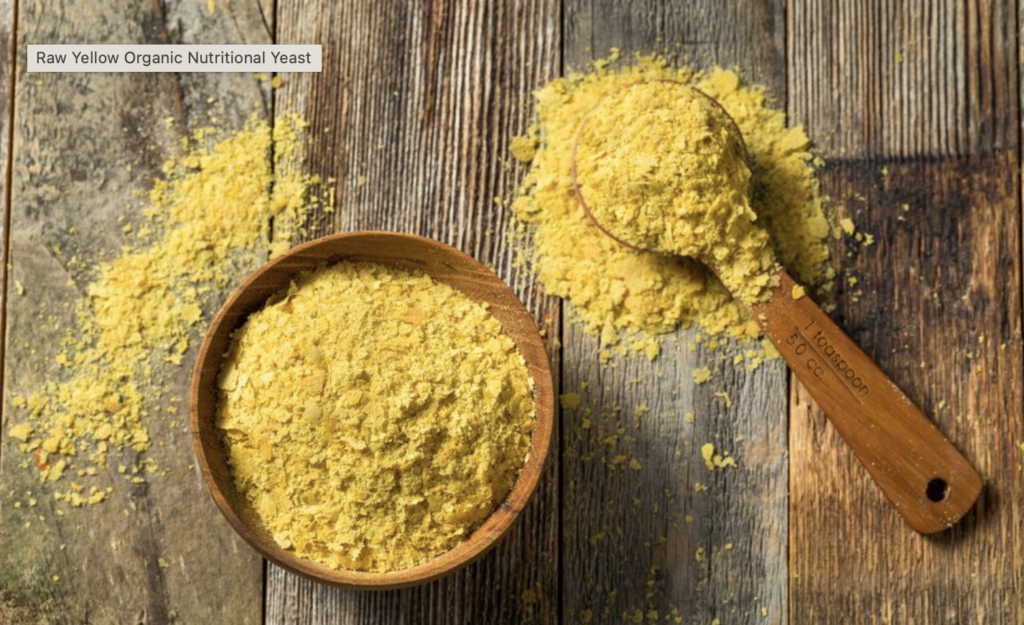
Nutritional yeast is an inactive yeast made from sugar cane and beet molasses. The yeast uses the sugar as food during the fermentation process, but nutritional yeast doesn’t actually contain any sugar. In addition, it should not to be confused with brewer’s yeast, an active form of yeast used to make breads. Unlike brewer’s yeast, nutritional yeast can be considered a food supplement providing a host of vitamins. It has actually been used to prevent vitamin deficiencies in prisoners of war and in places where access to protein sources is scarce. I recommend nutritional yeast for vegetarians or vegans, in particular, as a great way to get enough B vitamins in their diets. In a solely plant-based diet, sufficient amounts of vitamin B12 is difficult to attain. Fortified nutritional yeast options like this Bragg option, contains over 550% of the recommended daily value in just one tablespoon. The same amount also contains 5g of protein! Did I also mention that it tastes like cheese? Vitamins and a cheesy nutty flavor profile make this a must try! You can use it in replacement of cheese (best as substitute for parmesan cheese), in soups, salads, salad dressings…