breakfast
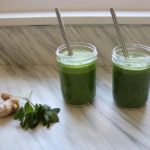
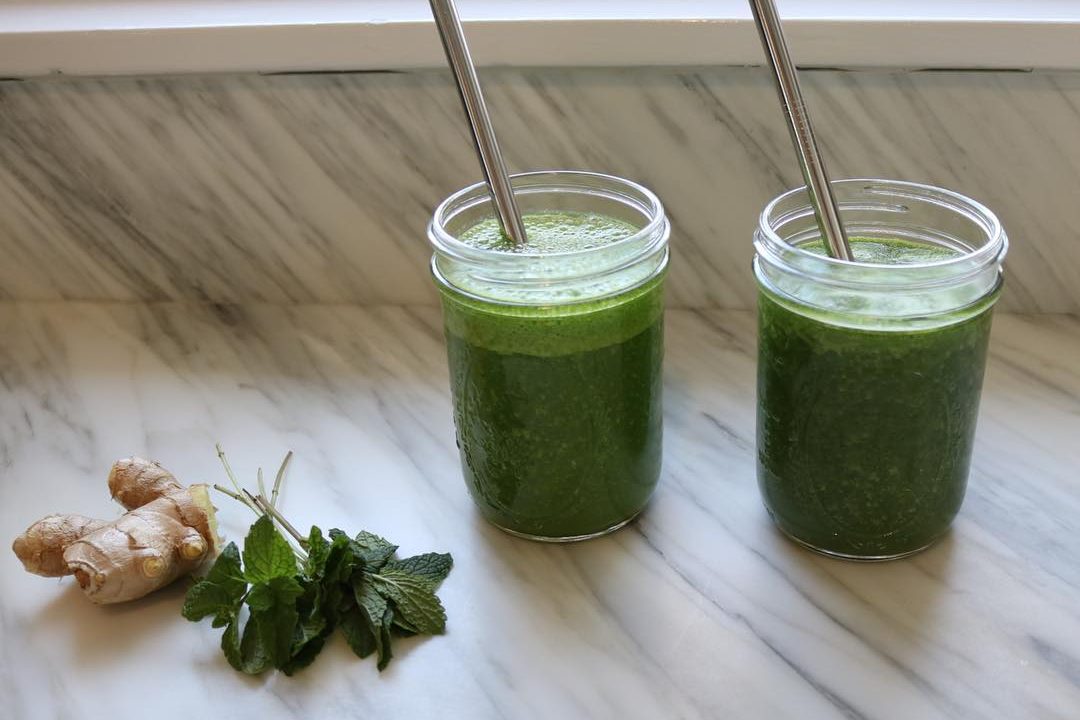
 Ginger Mint Smoothie
Ingredients
- 1/2 banana
- 1 Medjool date
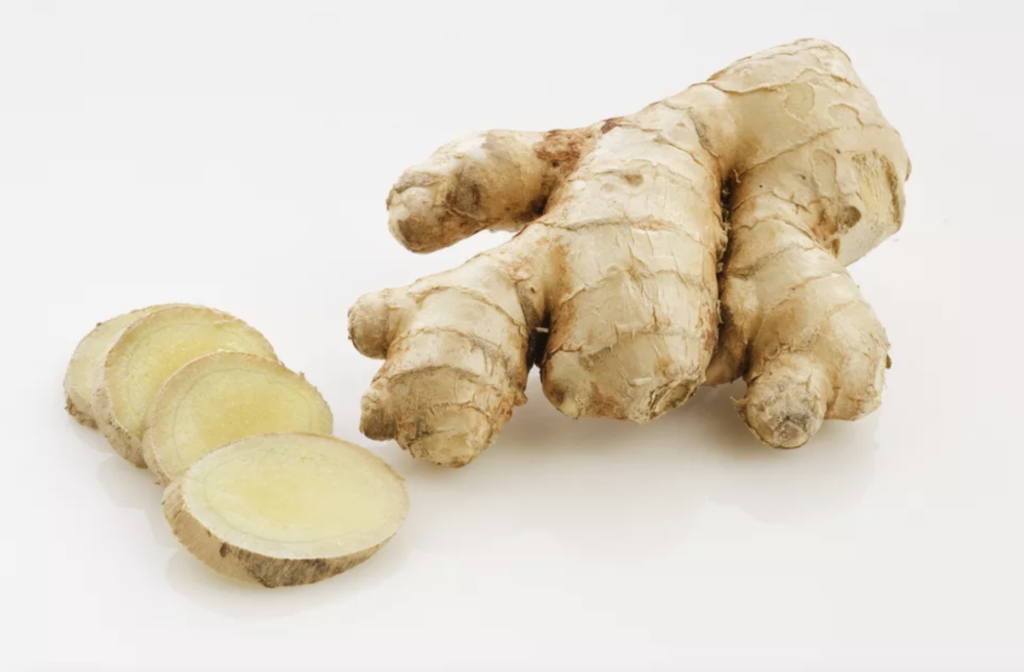
- 1 1/2- inch piece ginger peeled
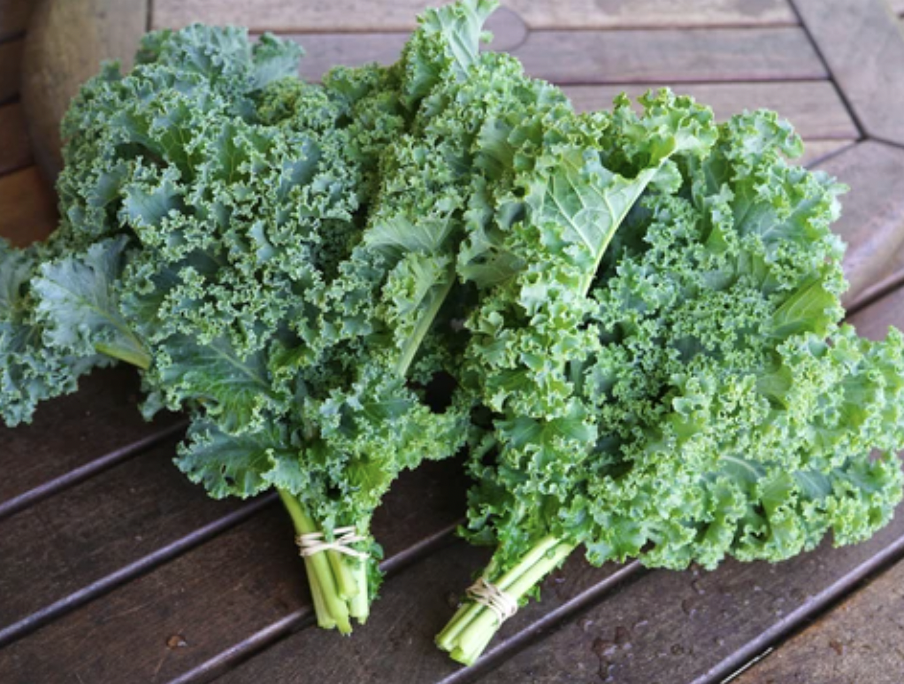
- 1 leaf curly kale stemmed
- 15 mint leaves
- 1 cup unsweetened almond milk
- 1/2 cup spinach
Instructions
-
Put all ingredients in a high speed blender. Blend until smooth.
lunch
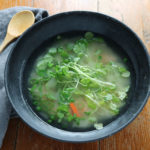
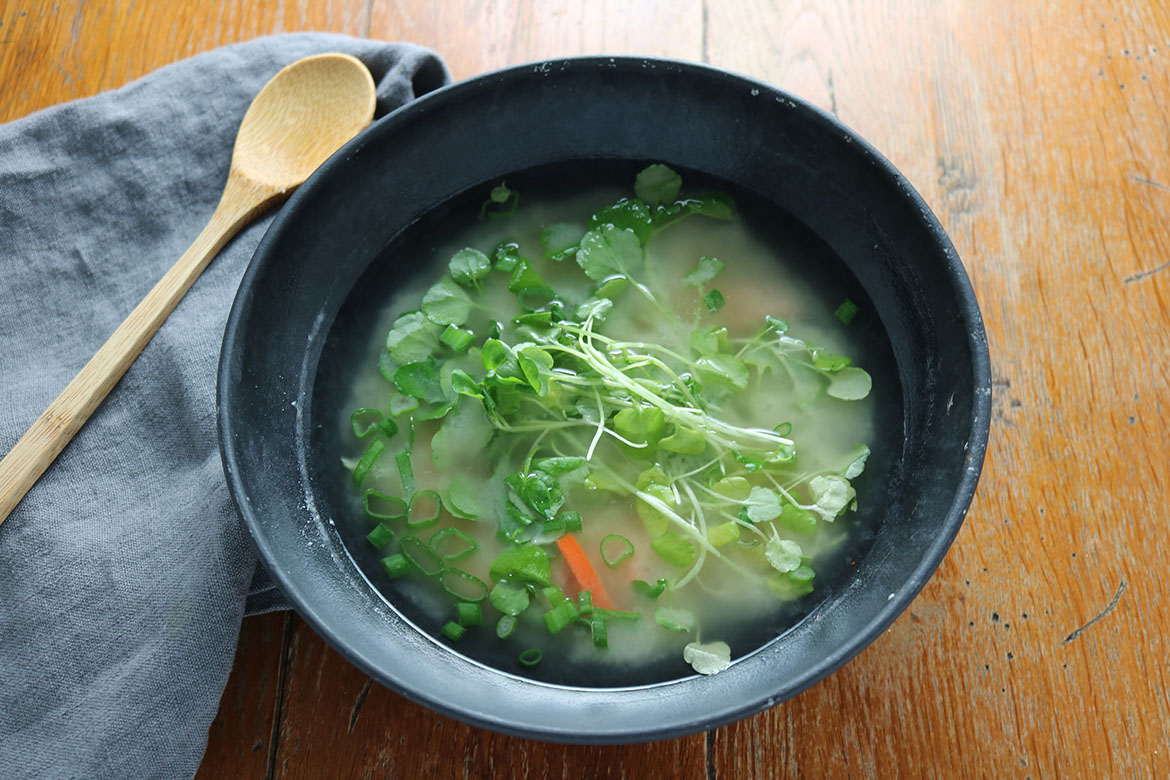
Miso Veggie Soup
Ingredients
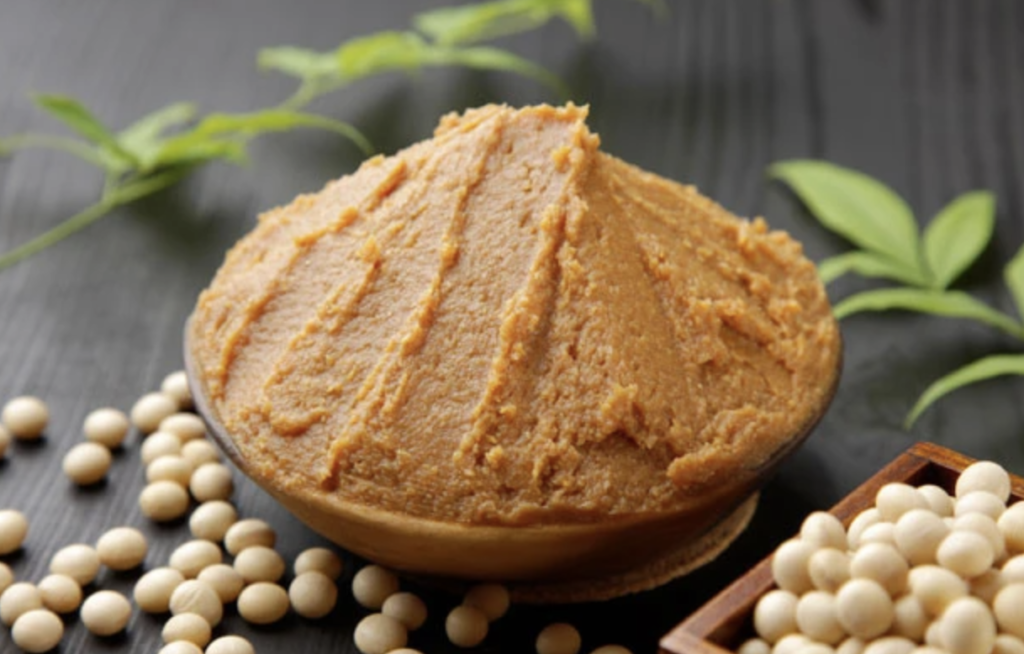
- 1 1/2 Tbsp white miso paste
- 2 cups water
- 1 small carrot julienned or shredded
- 1 scallion sliced thinly
- 1 large handful watercress
Instructions
-
Put water in a small pot. Heat up until just below boiling. Turn off heat.
-
In a small bowl, put miso paste. Add a small scoop of hot water and whisk until smooth. This avoids clumping. Add miso mixture to pot.
-
Spoon miso broth into a bowl. Add carrots, watercress and scallions.
snack
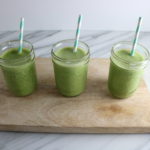
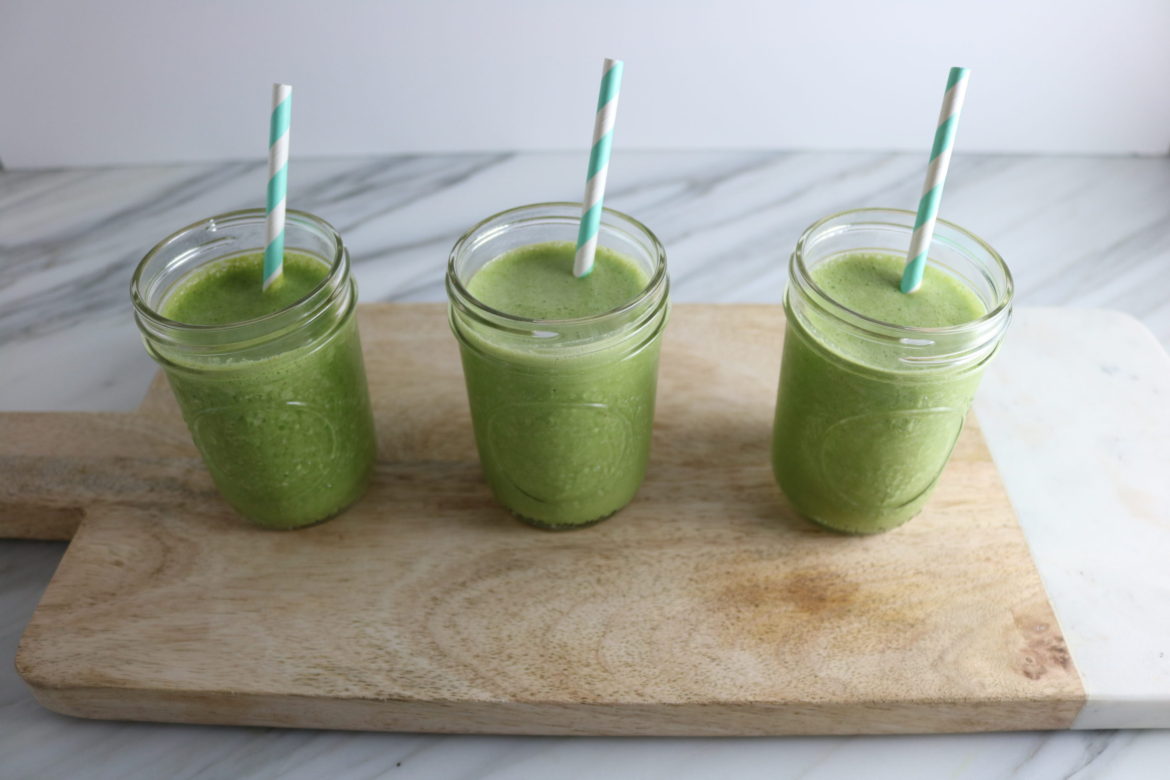
Green Power Smoothie
Ingredients
- 1 banana
- ½ pear
- 3 leaves curly kale stemmed
- 1 Tbsp raw almond butter
- 1 cup unsweetened almond milk
Instructions
-
Put all ingredients in a high speed blend. Blend on high until smooth.
dinner
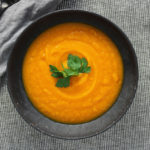
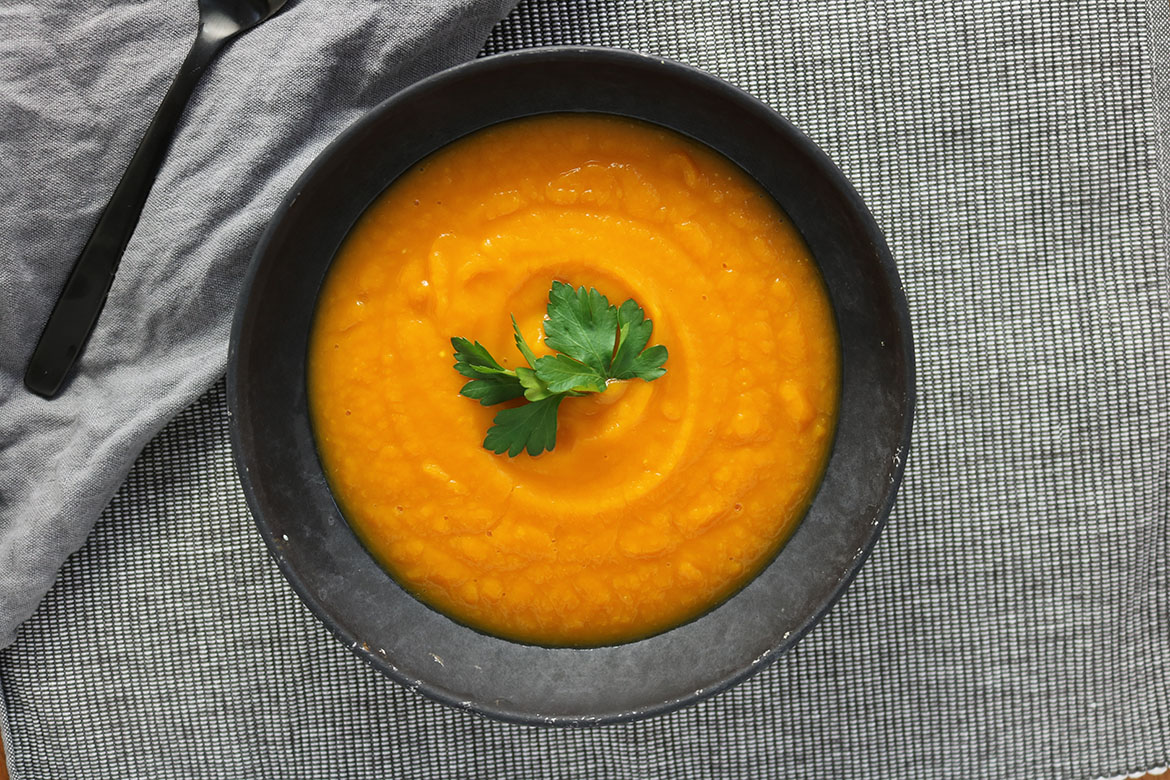
Butternut Squash Soup
Ingredients
- 3/4 lb butternut squash peeled and cut
- 1/2 onion diced
- 1 clove garlic chopped
- 2 1/2 cups vegetable broth or chicken bone broth
- 1/2 tsp sea salt
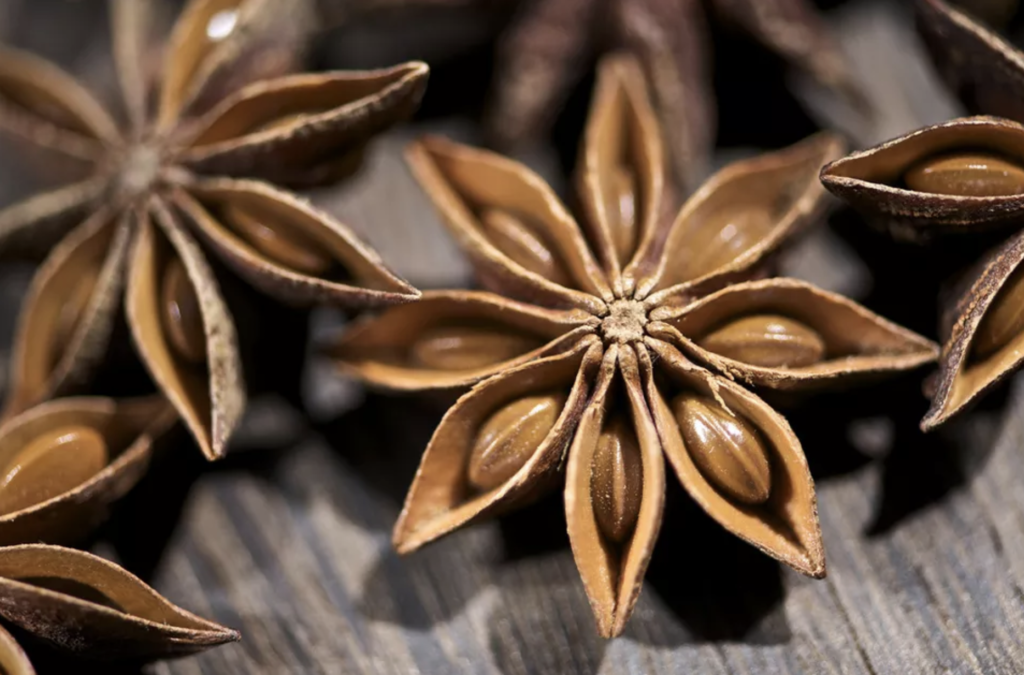
- 1 star anise optional
Instructions
-
In a pot, heat oil over medium heat. Add onion and garlic. Cook until onion is softened, about 5 minutes. Add squash, vegetable broth, sea salt and star anise (if using). Simmer uncovered for 20 minutes, until butternut squash is very tender.
-
If using star anise, take it out of the soup and discard before blending. Using an immersion blender or regular blender, blend soup until smooth. Add sea salt, to taste. Serve topped with cilantro or parsley (optional).
Recipe Notes
Save one portion for Lunch Day 7.