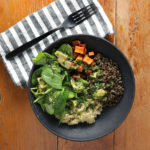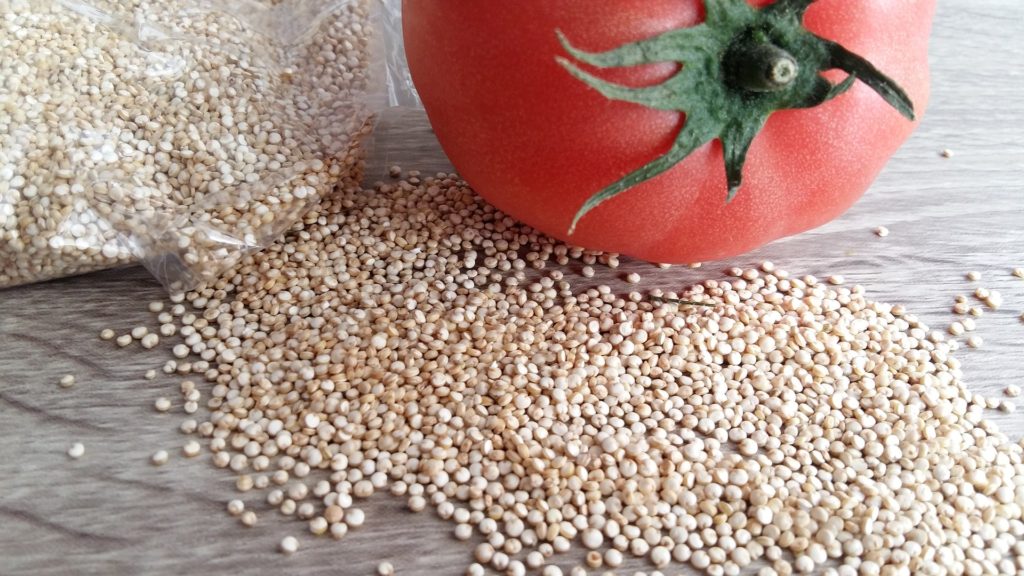
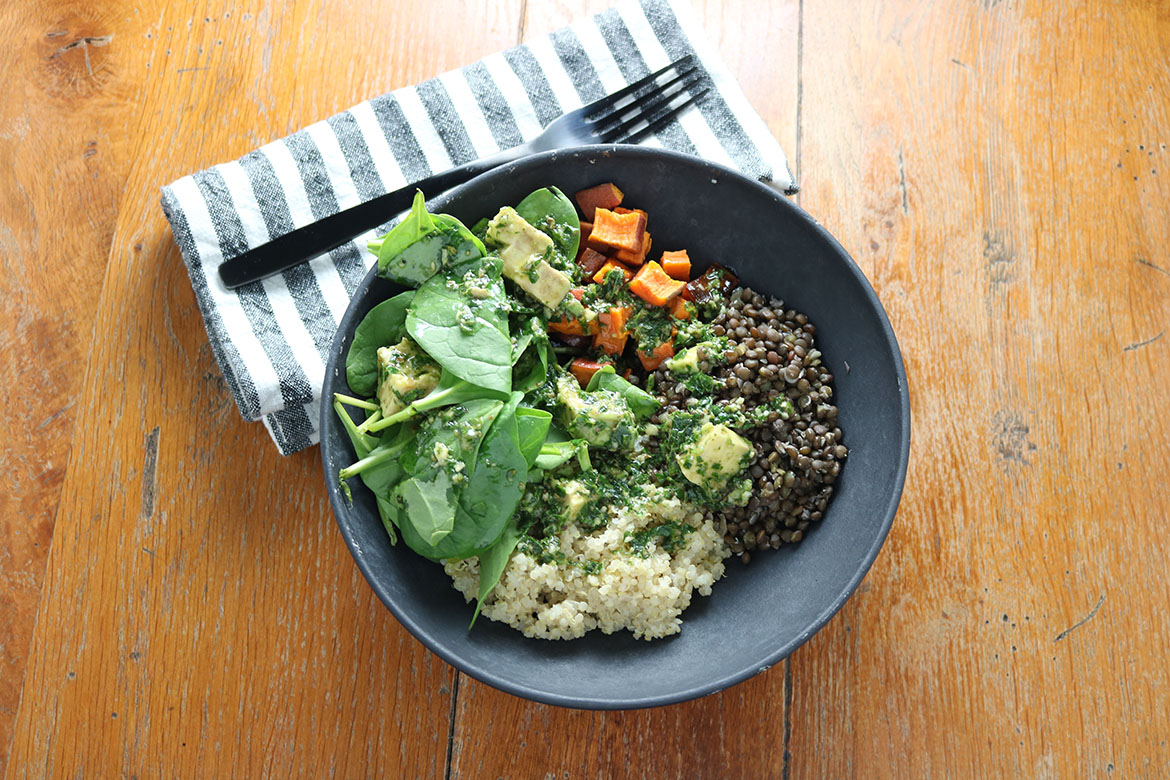
Of all the grains, QUINOA is my favorite. It’s actually a seed that is often bucketed into the grain category, or a pseudo-grain. It has the highest nutritional profile and is an extremely high-energy grain. It’s super versatile and can be prepared in so many different ways – hot, cold, stew, salad – so many applications! It keeps really well and is equally delicious cold out of the refrigerator or reheated. As a result, quinoa is great for bulk cooking – make one large pot of quinoa and turn it into several different meals that week. Check out my Blog for inspiration on what you can do with quinoa!

Quinoa is a great protein source, particularly for vegetarians and vegans, as it’s considered a complete protein containing all 8 essential amino acids. It’s also high in B vitamins, iron, zinc, potassium, calcium, vitamin E and it’s gluten-free!

Quinoa has a naturally occurring coating called Saponin that tastes bitter and can cause indigestion. For this reason, it’s important to rinse quinoa well before cooking!

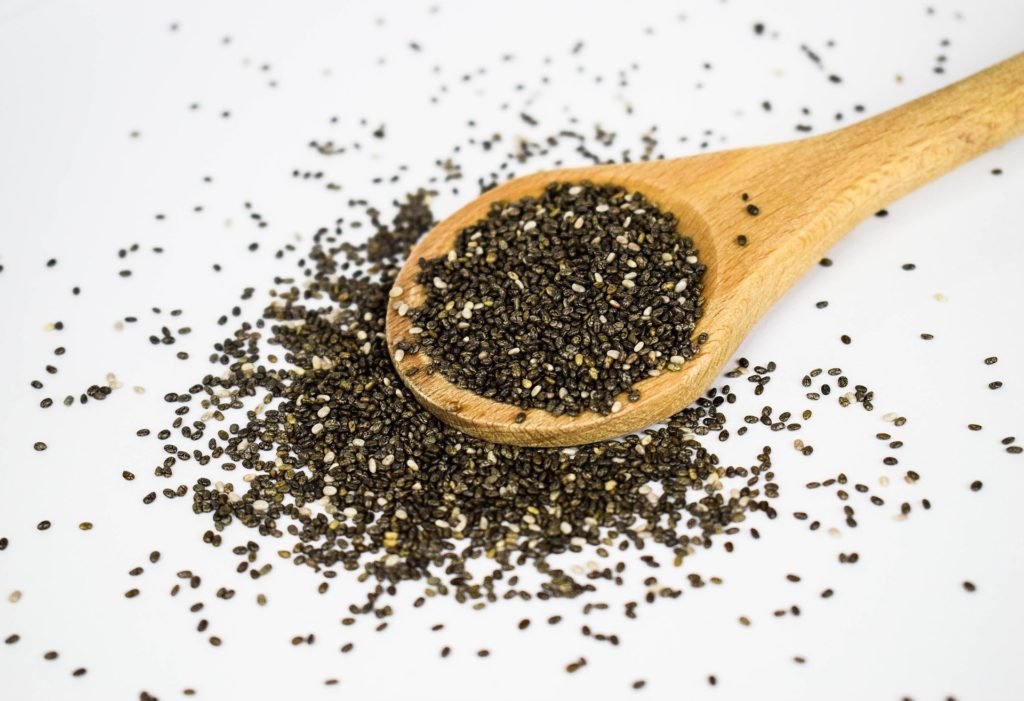
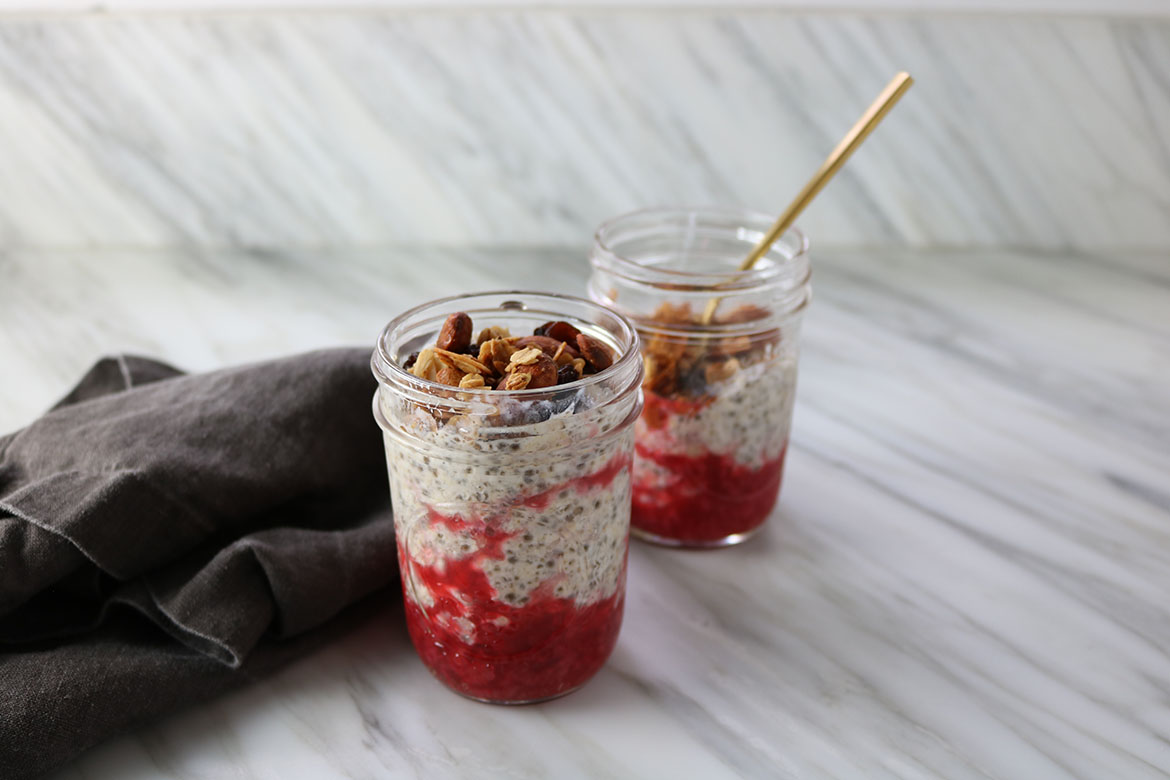
What’s with all the hype about CHIA SEEDS?

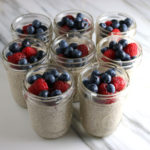
These gelatinous-like seeds are related to sage and a member of the mint family. After the flaxseed, it is considered the highest source of omega-3 fatty acids. Fatty what?! Omega-3 fatty acids are a polyunsaturated fat that is just really good for your health. Omega-3 fatty acids are considered anti- inflammatory and are associated with lower risk of death. Yes, death! It also lowers bad cholesterol (HDL) and raises good cholesterol (LDL). Sprinkle it on porridges, add it to your smoothies, use it as a binder in replacement of eggs!

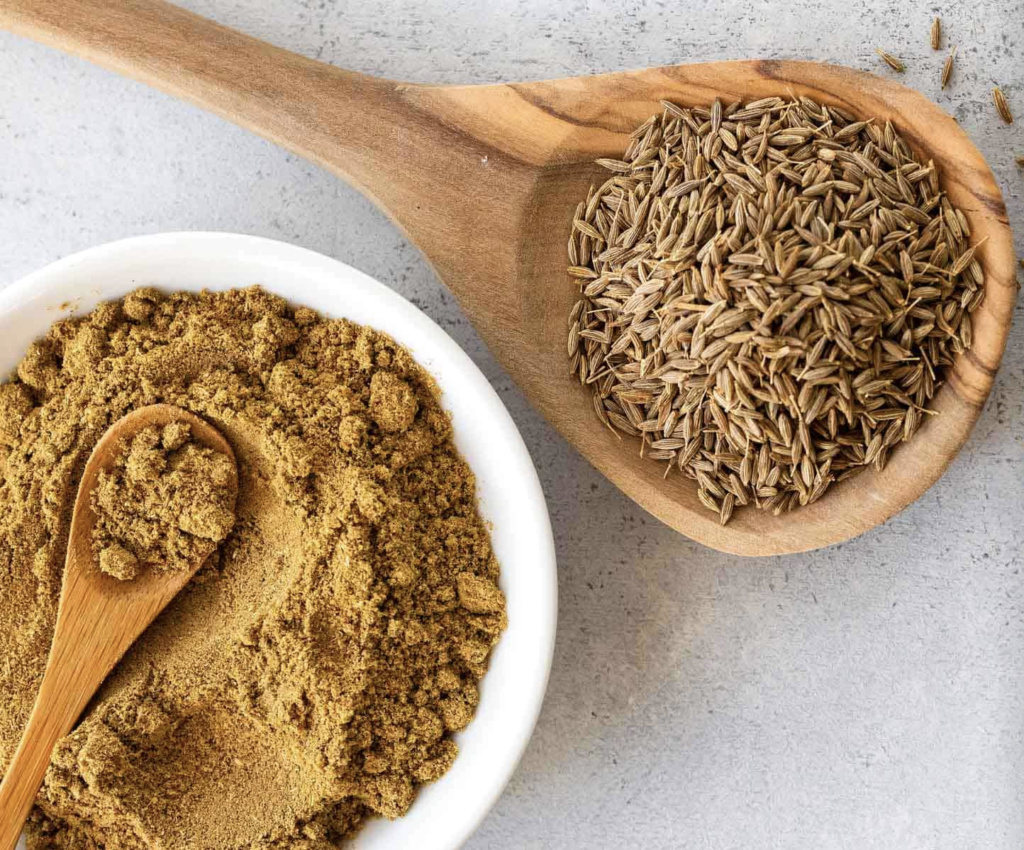
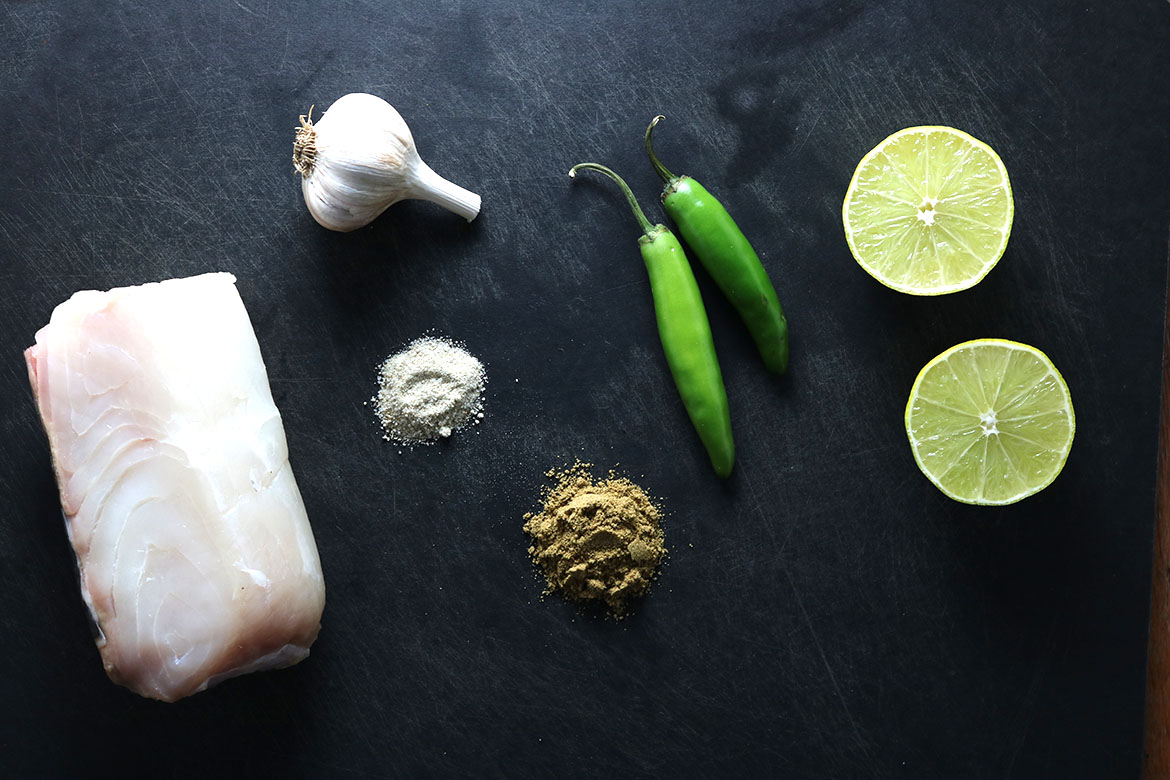
Cumin comes from an herb related to the aromatic parsley family. Its flavor is warm and earthy and popular in Indian, Middle Eastern, Chinese and North African cuisines. It has long been used for a wide variety of medicinal purposes, from respiratory to digestive issues. Cumin contains thymol, which is known to stimulate the glands that secrete acids, bile and enzymes to aid in digestion. It has been studied in its role in balancing blood sugar levels. Current research suggests that one of the components, cuminaldehyde, may be useful as a lead compound and a new agent for antidiabetic therapeutics. It contains significant amounts of  vitamin E (boosts skin health/anti-aging), vitamin C (supports immune system), iron (treats anemia/reduces risk of cognitive decline) and calcium (promotes bone health). Most notably, cumin also has potent anti-inflammatory, antibacterial and antifungal properties, making it a great option for detoxing!

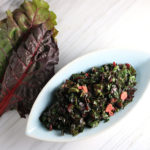
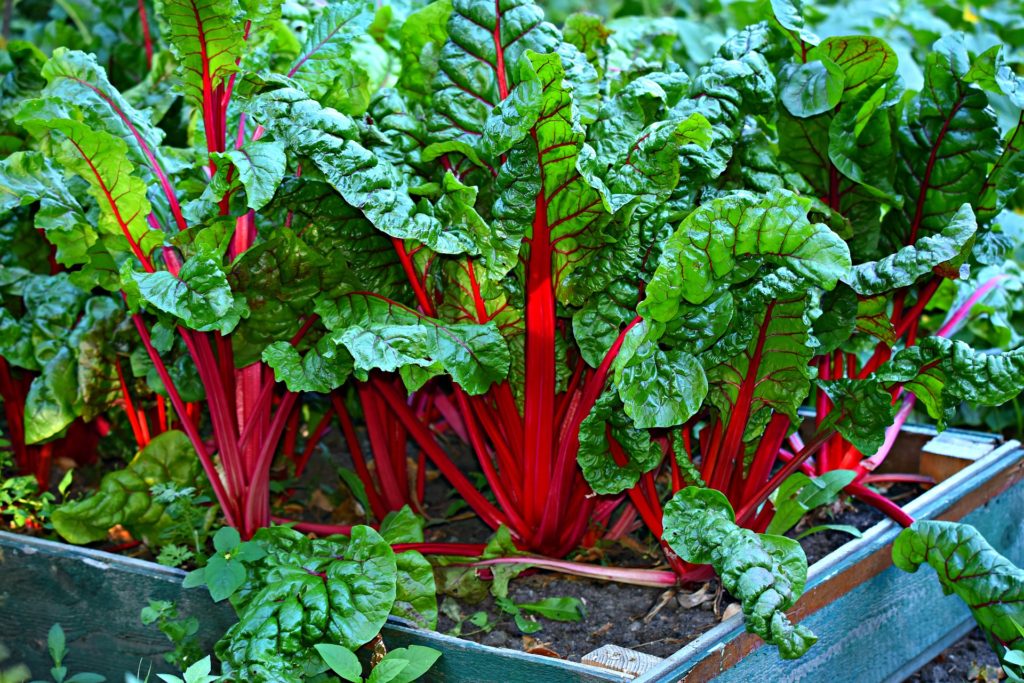
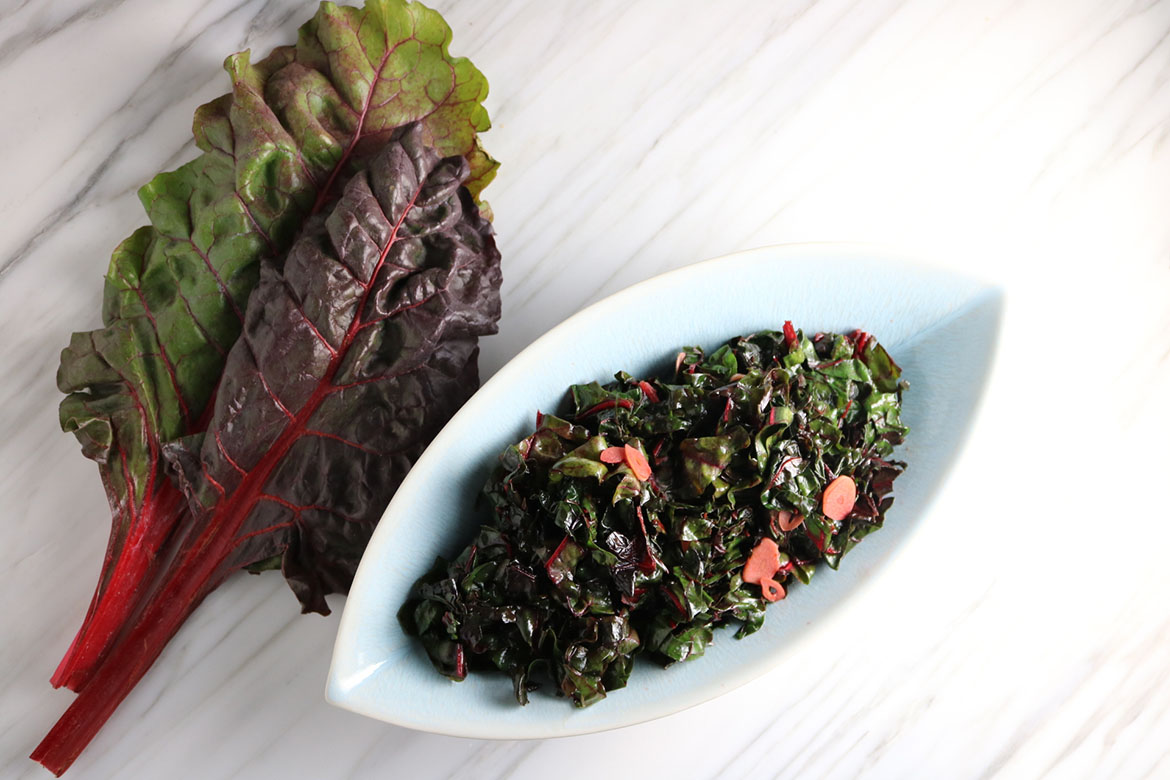
SWISS CHARD is one of my favorite green leafy vegetables and makes a regular weekly appearance in my kitchen. It has an incredible nutritional profile and its health benefits are many. With its high antioxidant content, it can be used to combat signs of aging. Yes – ditch those expensive creams and add Swiss chard to your diet! Swiss chard contains 13 different types of polyphenol antioxidants, which also help prevent cancer, heart disease, eye and skin disorders and much more. It’s also considered a great option for those with diabetes, pre-diabetes or metabolic syndrome. Certain flavonoids (such as syringic acid) contained in Swiss chard helps regulate blood sugar levels. That, along with its high fiber content (4 grams per one cup), means steady sugar/energy levels, in addition to supporting a healthy gut! While Swiss chard boasts all these awesome health benefits, I recommend limiting consumption to only a couple times a week. Similar to spinach and beet greens, it also contains oxalic acid, which inhibits the absorption of calcium. I guess you can get too much of a good thing…